
Starting performance engineered around your machine.
Not a catalogue compromise.
OMI designs starter motors and Bendix engagement systems around the OEM's actual crank torque, voltage, current, ring-gear interface, packaging, environment and duty-cycle requirements. The same engineering team carries the program from simulation and prototype hardware through PPAP, custom assembly, traceability and end-of-line testing.
DISCUSS YOUR STARTING SYSTEM →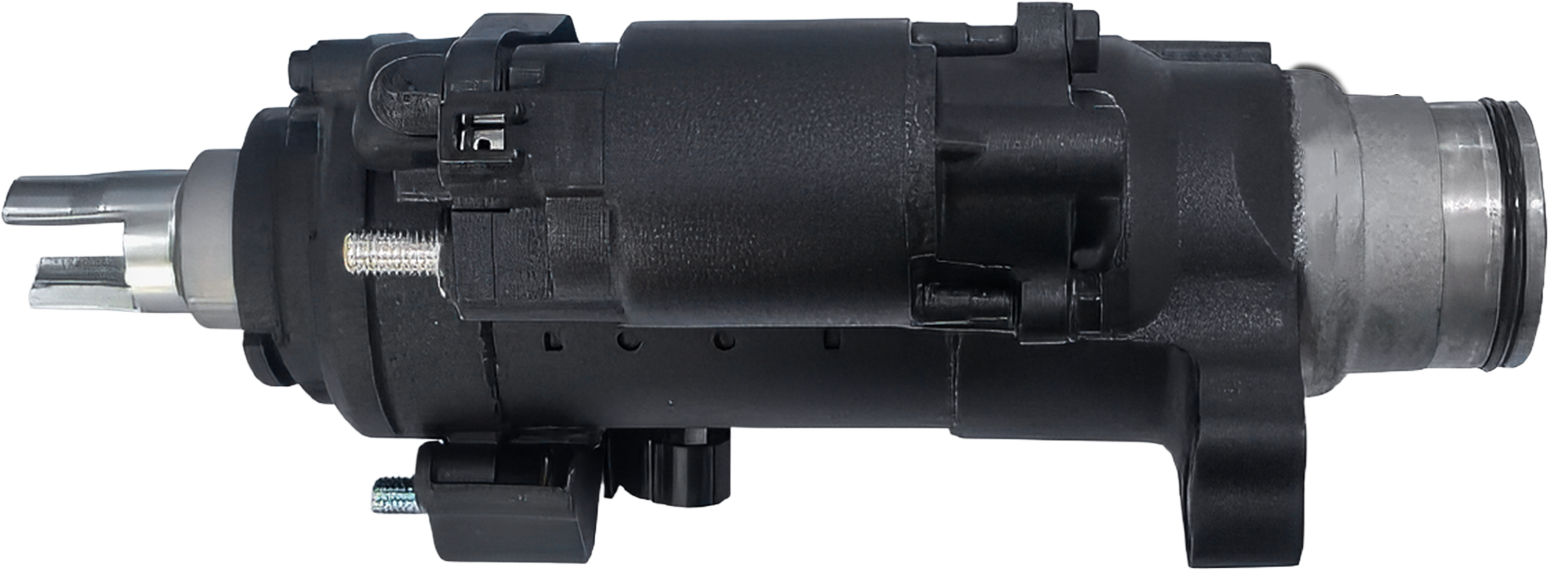 STARTER MOTOR + BENDIX / PINION SYSTEM
Different packaging. Different duty cycles. One engineering process.
OMI develops the motor, pinion/Bendix interface and production architecture around the individual OEM application rather than forcing a standard starter into the package.
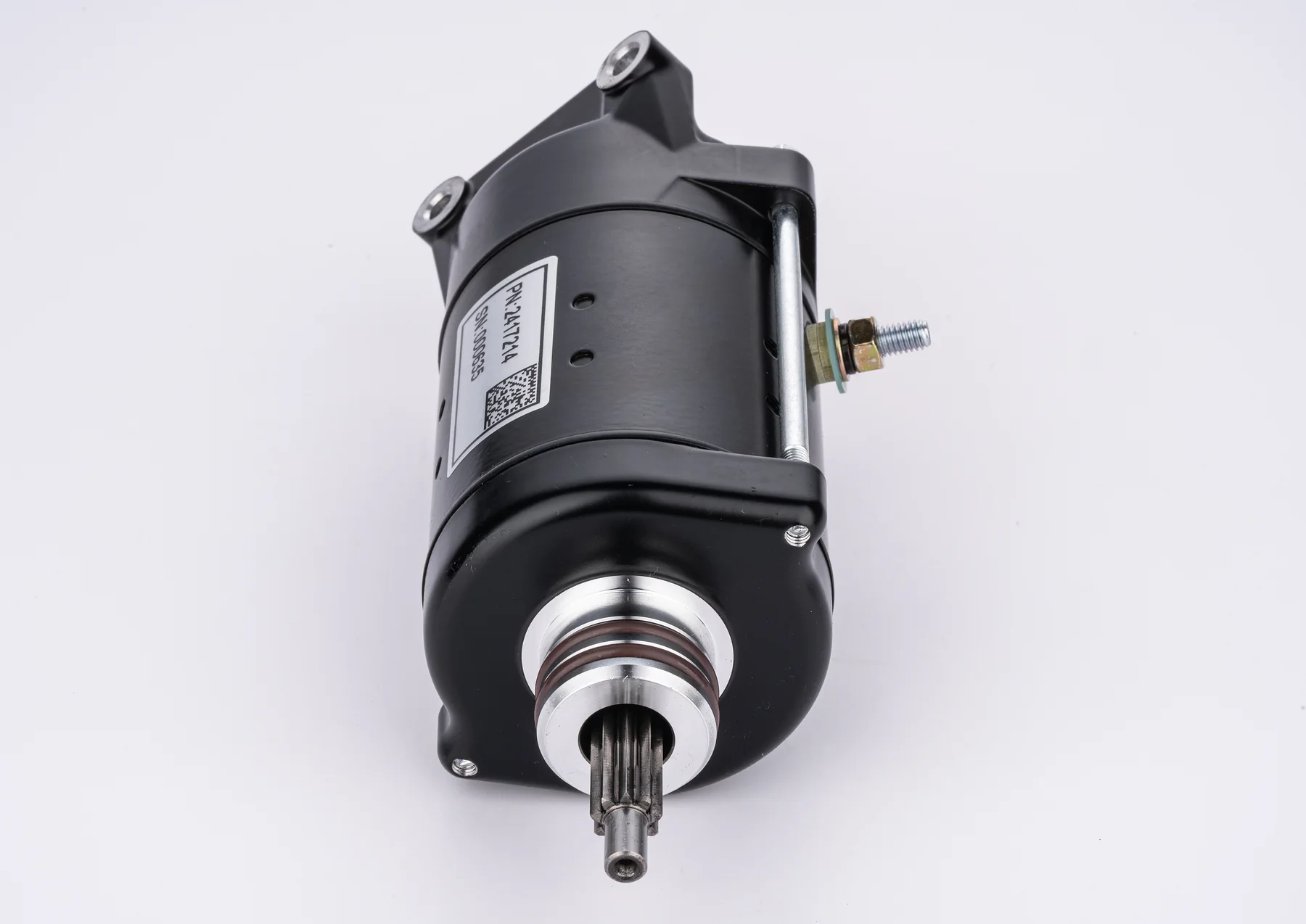
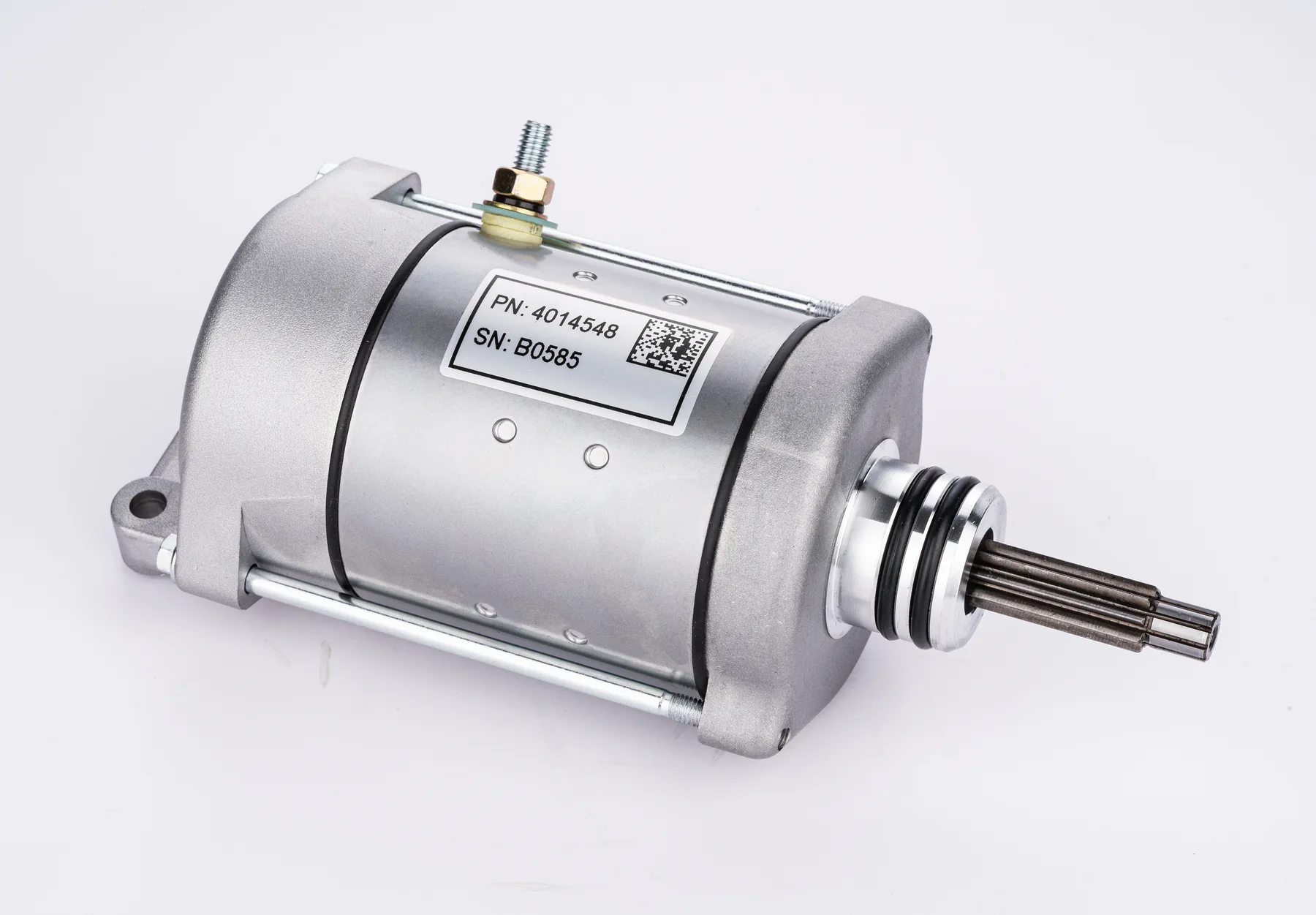
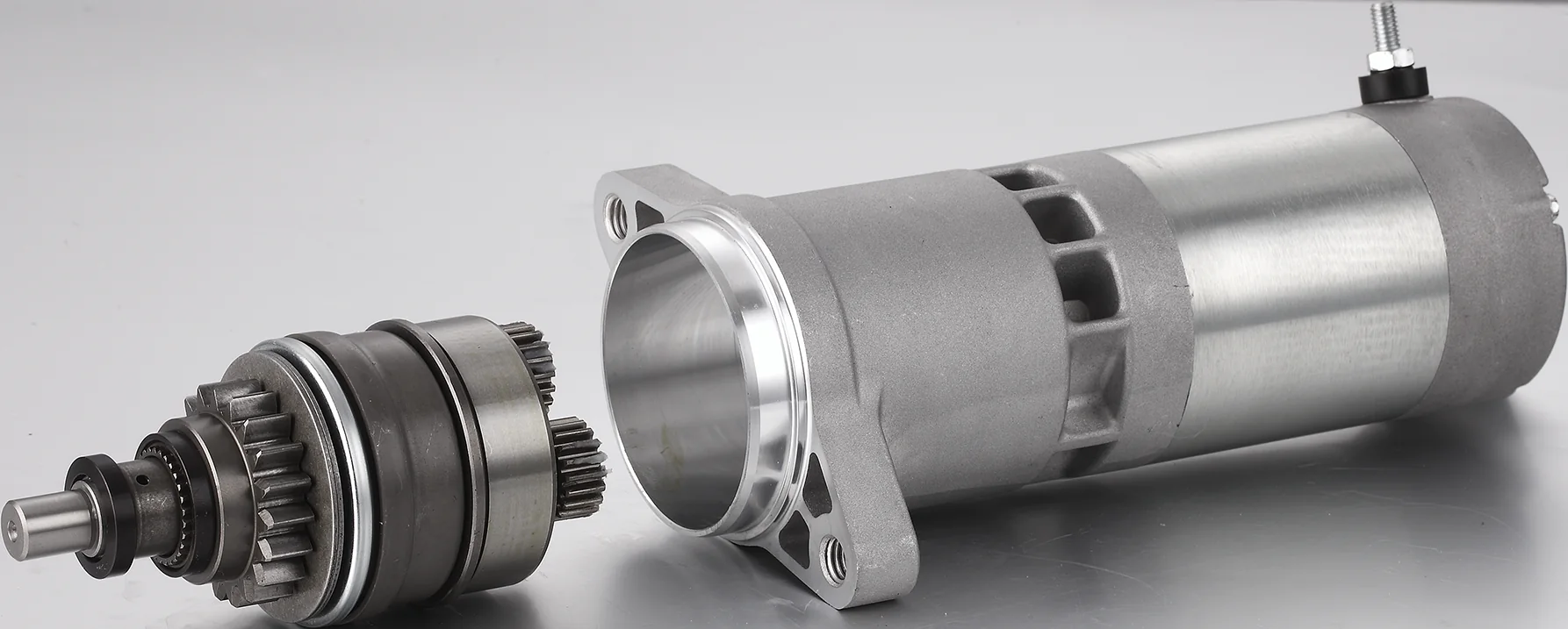
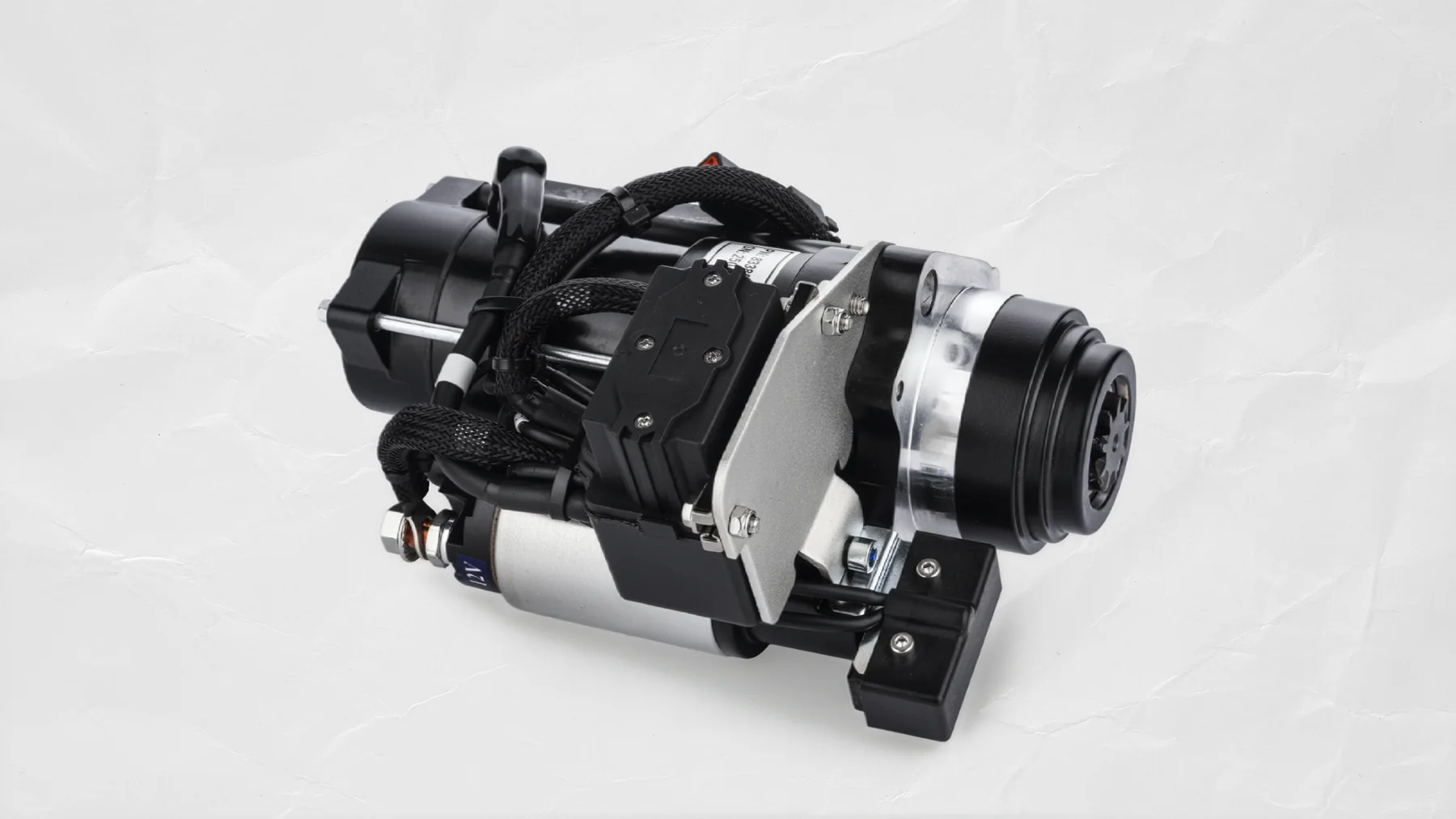
The design starts with what the engine and vehicle actually require.
OMI works with the OEM engineering team to define the electrical, mechanical and interface conditions that drive the starter architecture.
Balance torque, speed, current and package size before cutting hardware.
OMI uses proprietary motor-design and simulation tools to compare architectures and converge on the required torque-speed-current performance inside the available envelope.
Electromagnetic design
- Armature geometry and active length
- Winding configuration and copper fill
- Magnetic circuit and saturation
- Commutation strategy
- Material and conductor selection
- Electrical and thermal loss evaluation
Performance optimization
- Torque versus RPM
- Current draw versus torque
- Voltage sensitivity
- Cold-crank performance
- Stall / breakaway torque
- Efficiency and thermal margin
Packaging optimization
- Shell OD and active length
- Mounting-interface geometry
- Shaft / bearing loading
- Mass and center of gravity
- Service access
- Alternative design comparison
Reliable starting depends on more than the motor.
The engagement system has to transfer torque cleanly, survive repeated impact, disengage correctly and protect both the starter and the engine ring gear. OMI develops the Bendix/pinion system together with the starter rather than treating it as a purchased afterthought.
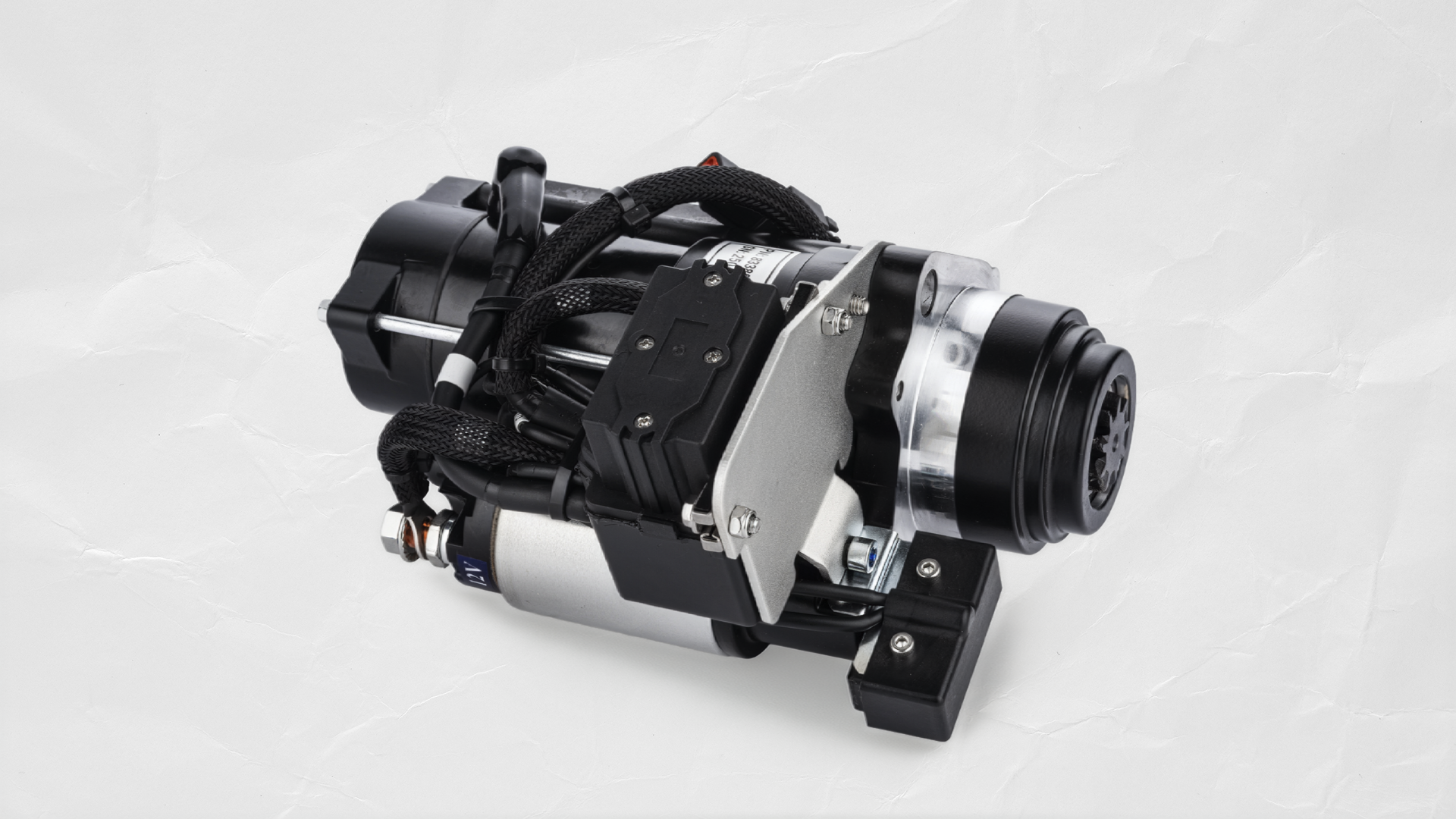
Reduce in-rush current before increasing battery size.
OMI SoftStart is a proprietary starting-current management solution developed for starter applications. By reducing startup in-rush demand, OEMs with weight or packaging constraints may be able to use a smaller or lighter battery while still meeting the required starting event.
Move from calculated performance to production-intent hardware with defined customer approvals.
The development path is structured around progressive design maturity, customer test feedback, risk reduction and production readiness.
A-SAMPLE
Functional prototype used to correlate the design with customer testing and identify required engineering changes.
B-SAMPLE
Maturing design with defined customer test procedures, DFMEA review, FMEA/control-plan preparation and durability validation.
C-SAMPLE
Production-intent sample supporting project risk analysis, 8D where required, tooling release and production scheduling.
D-SAMPLE / PPAP
Design-release samples, PPAP documentation and final readiness for serial production.
We engineer the production system with the starter.
A custom starter only becomes an OEM solution when the production process can repeatedly build the same result. OMI designs the assembly sequence, tooling and process controls around the product's critical characteristics.
Custom Assembly Lines
Manual, semi-automated or automated stations designed around volume, takt time and product risk.
- Assembly sequence and station design
- Cycle-time balancing
- Torque-controlled fastening
- Press / insertion process control
Fixtures & Tooling
Purpose-built tooling controls alignment, position and repeatability through the assembly process.
- Precision locating and alignment
- Armature / bearing / shaft fixtures
- Bendix and pinion setup tooling
- Poka-yoke / error proofing
Process Control
Critical characteristics are defined through DFMEA/PFMEA and transferred into the production control plan.
- Critical-to-quality characteristics
- Process limits and reaction plans
- Operator instructions and training
- Ongoing process monitoring
Know the history of every starter. Verify every starter before release.
OMI can combine unit-level traceability with automated end-of-line test data so production quality is verified on every motor rather than inferred from periodic inspection.
Real-Time Traceability
- Unique serial number by unit
- Component / material lot traceability
- Station-by-station process capture
- Torque / press / critical assembly records
- Operator and timestamp history
- Customer-system integration where required
100% End-of-Line Testing
- No-load speed / RPM
- Loaded torque
- Current draw
- Voltage drop
- Pinion engagement / release
- Electrical / insulation checks
- Automatic pass / fail limits
Explore the live OMI Motors engineering animation.
The current OMI Motors site remains available as a live technical reference. Open it below for the full animated presentation.
Motor. Bendix. Controls. Tooling. Validation. Production.
OMI brings the disciplines together so the starting system is engineered not only to perform in the customer's machine, but to be manufactured repeatedly at the required quality and scale.